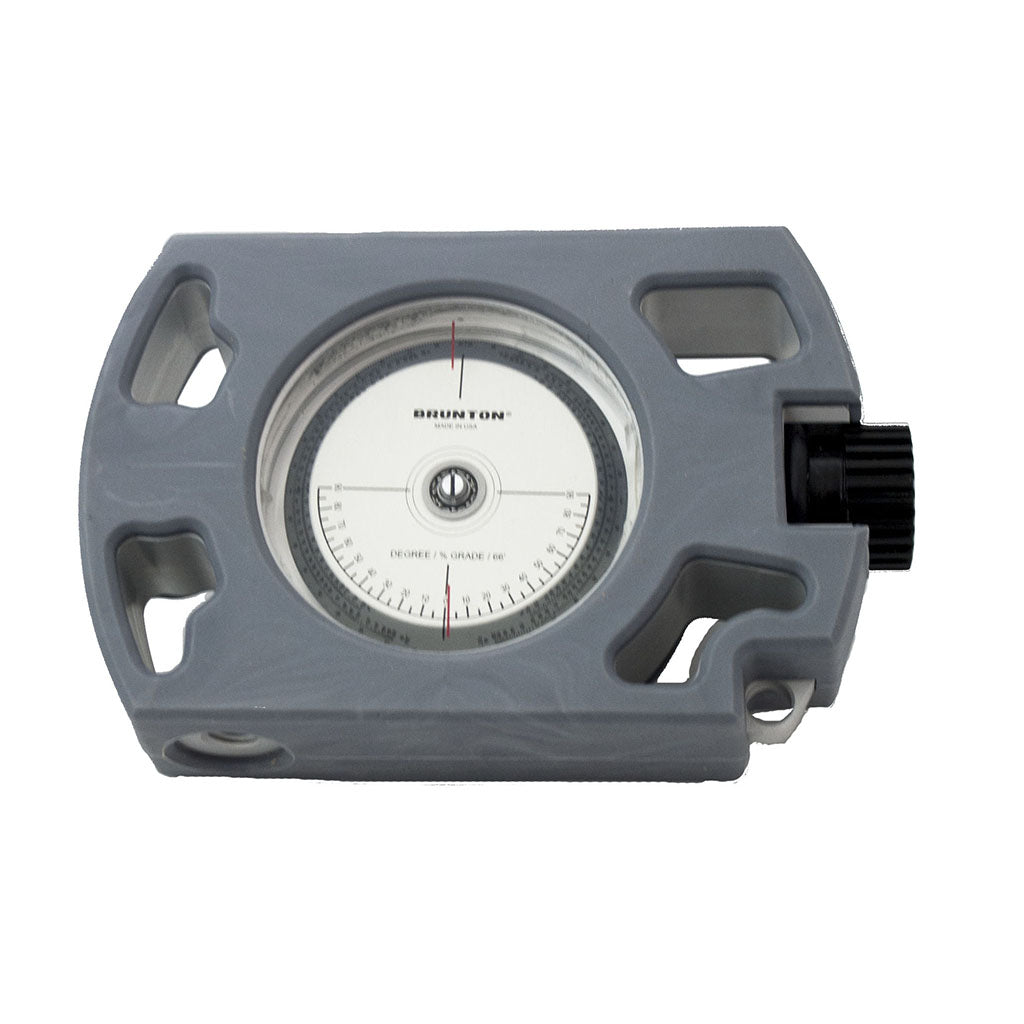
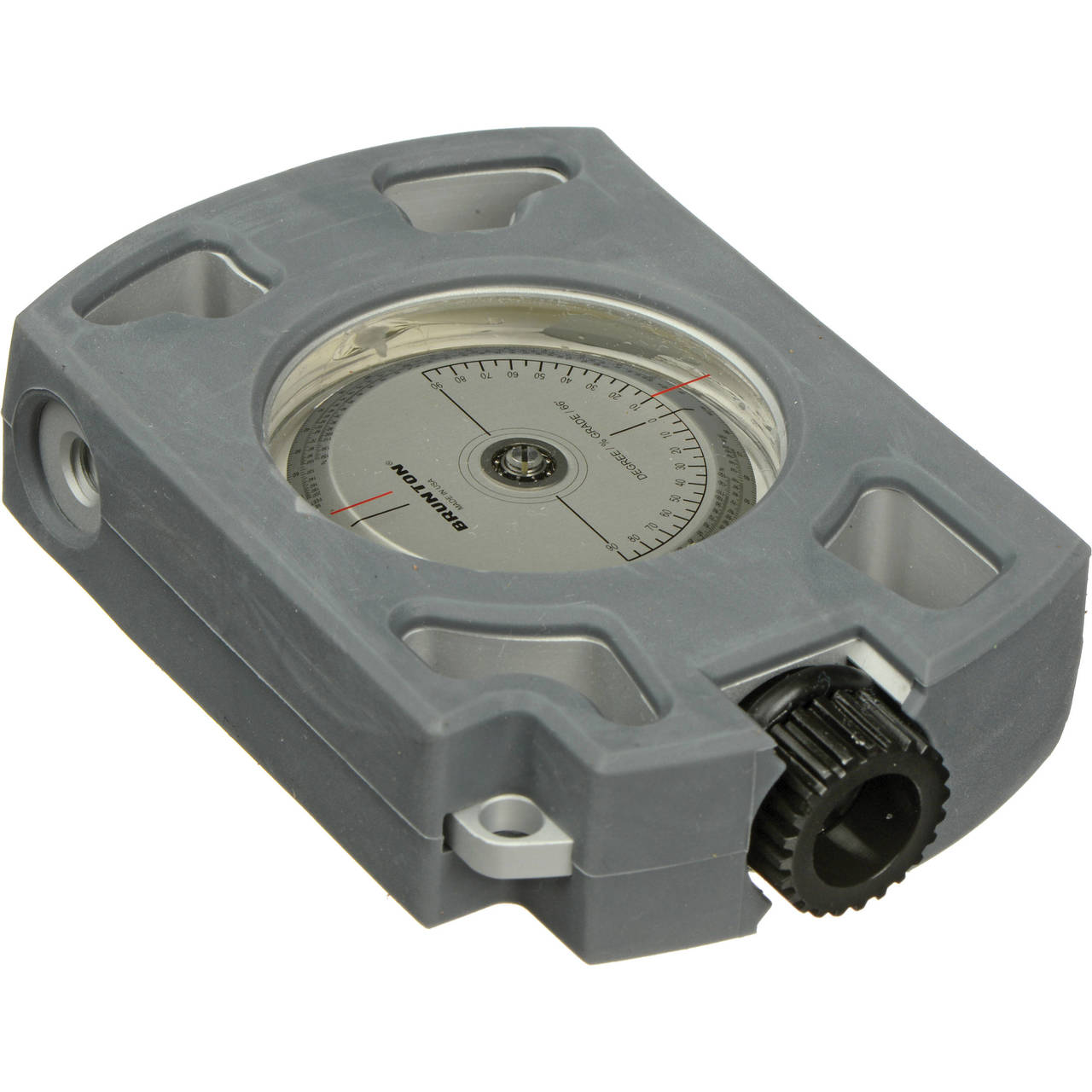
Clinometers for Tree Height Measurement and Slope Determination
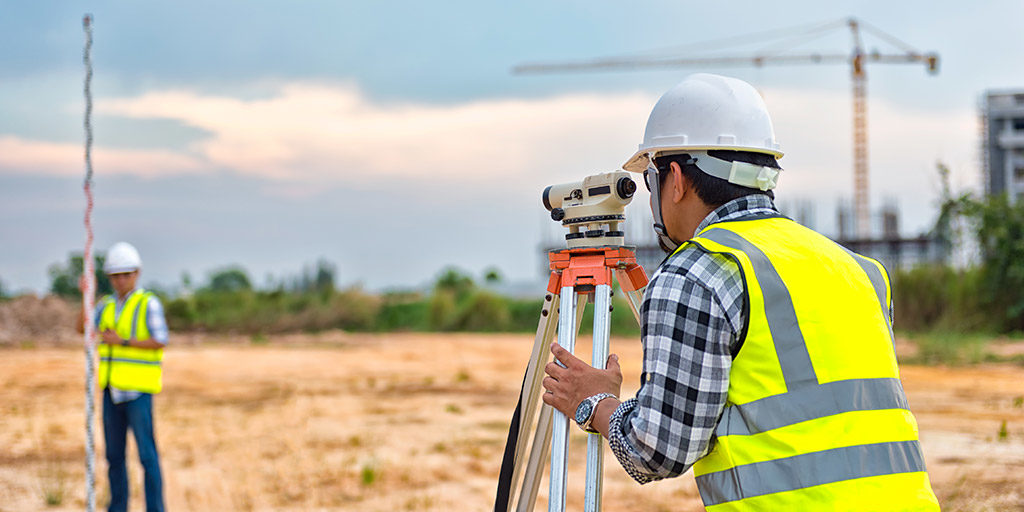
A clinometer is one of the most essential instruments in a forester's toolkit. CSP Forestry carries professional clinometers that measure both tree height (using triangulation) and percent slope — two critical data points in timber cruising, site assessment, and land surveying. Our clinometers include the popular Suunto clinometer, which reads slope in both percent and degrees, and combination models that also measure basal area. Whether you're calculating site index, planning skid trails, or measuring slope for logging safety compliance, a quality clinometer is indispensable.
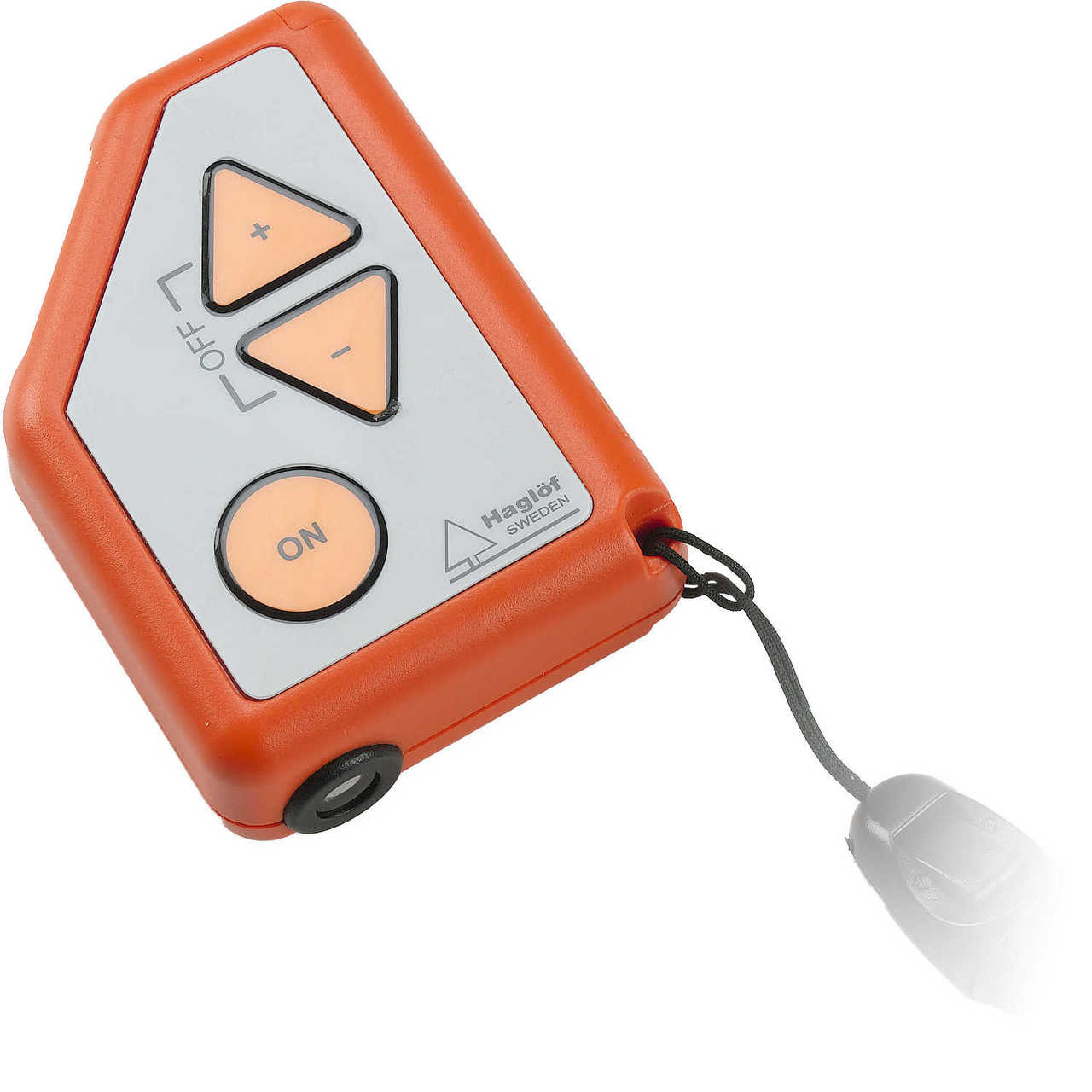
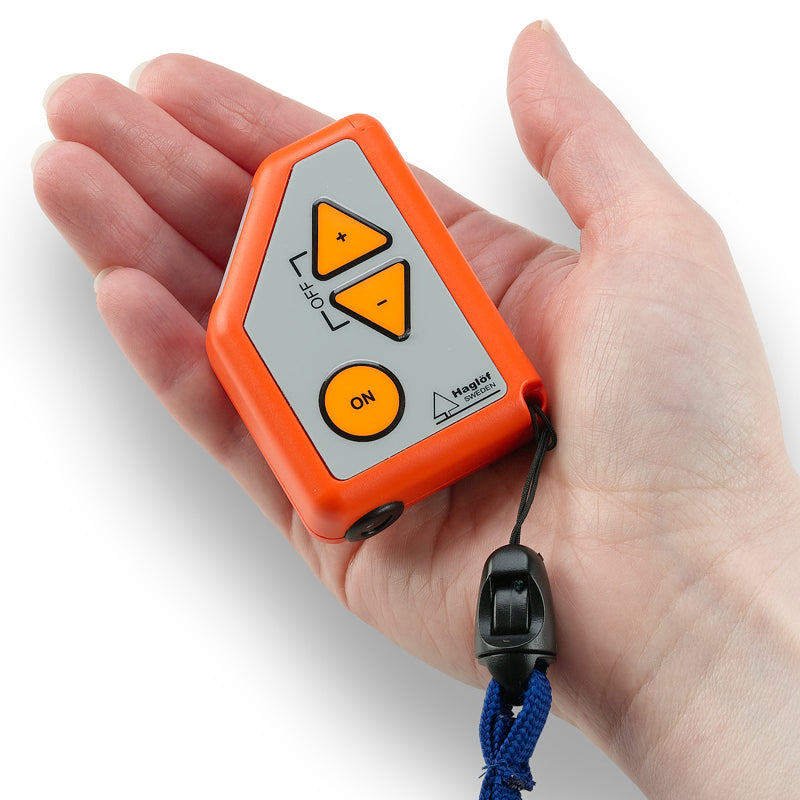
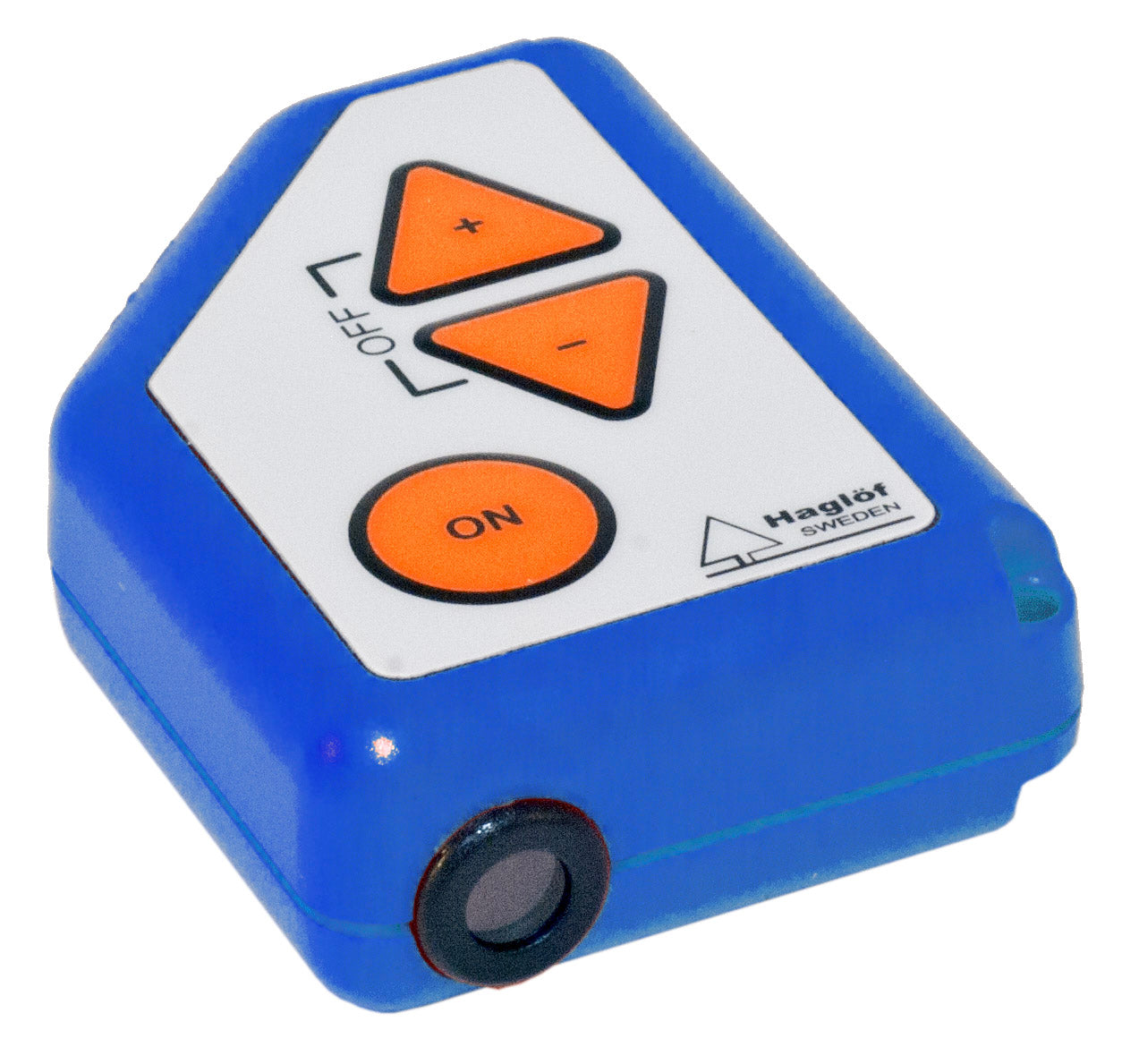
Complement your clinometer with compasses for bearing measurements, angle gauges for basal area sampling, and diameter tapes for DBH recording. CSP Forestry also carries combination instruments like compass-clinometer combos and digital hypsometers for electronic height measurement. Browse our surveying and forest measurement supplies for a complete timber cruise kit.
Frequently Asked Questions
How do I measure tree height with a clinometer?
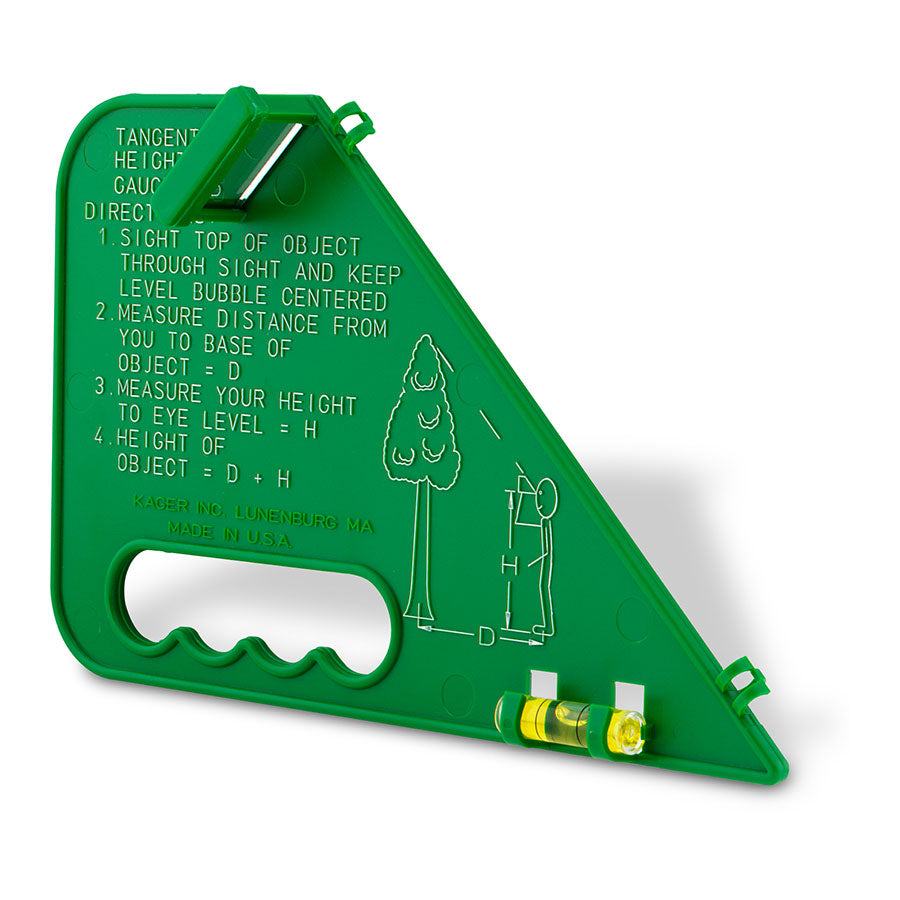
Stand at a known horizontal distance from the tree (commonly 66 feet / 1 chain), sight to the treetop and record the reading, then sight to the base and record. Add the absolute values of both readings (or subtract if the base is uphill) to get tree height. Our clinometer selection includes models with percent slope and degree scales.
What is the difference between a clinometer and a hypsometer?
A clinometer measures slope angles mechanically and requires a known baseline distance to calculate height. A hypsometer may use laser or ultrasonic technology to measure distance and height simultaneously — faster but typically more expensive.
Do you carry Suunto clinometers?
Yes. Suunto is one of the most trusted brands in professional clinometers for forestry and surveying. Check our clinometer collection for current availability alongside other professional measurement brands.
What other forest measurement instruments do you carry?
We carry angle gauges, densiometers, increment borers, tree calipers, diameter tapes, compasses, and hypsometers.