


Professional Earmuffs for Occupational Hearing Protection
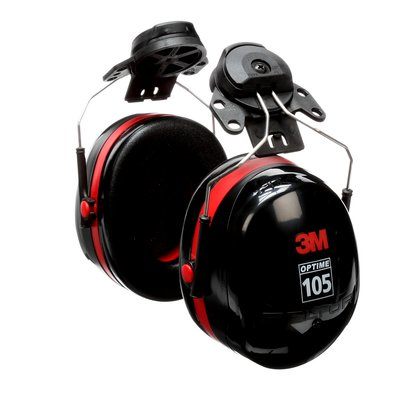
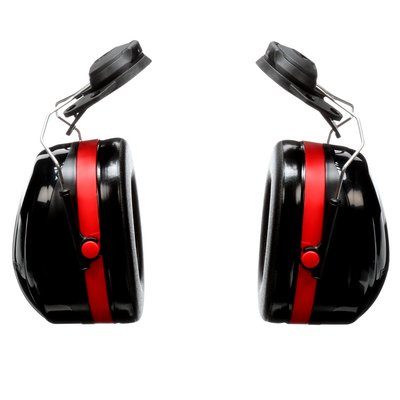
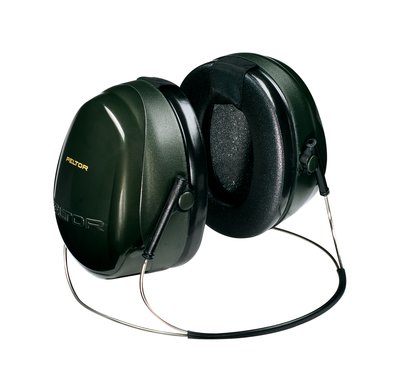
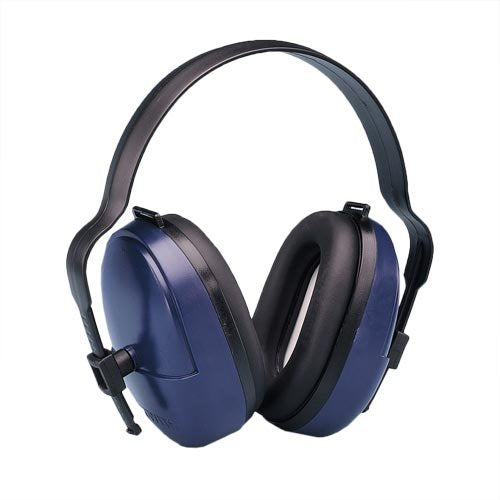
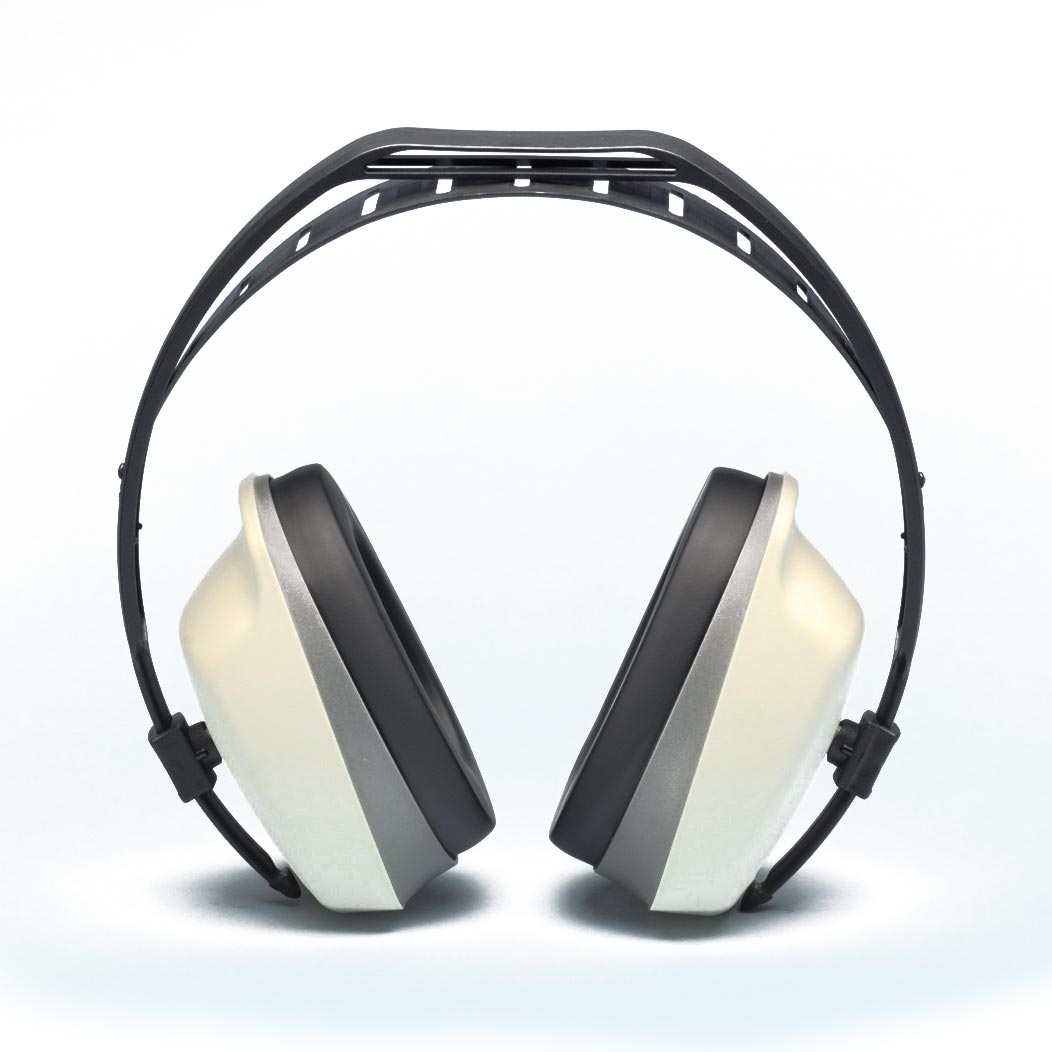
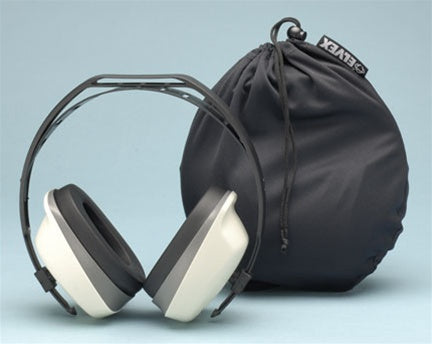
CSP Forestry stocks a wide selection of professional earmuffs for hearing protection in logging, construction, oil and gas, and industrial applications. Our earmuff inventory covers headband, cap-mounted, and behind-the-neck styles with NRR ratings from 22 dB to 34 dB to match different noise exposure levels. We carry popular brands including 3M Peltor, Honeywell Howard Leight, MSA, and Elvex. Electronic earmuffs with ambient sound amplification are also available for workers who need to maintain situational awareness while protecting hearing.
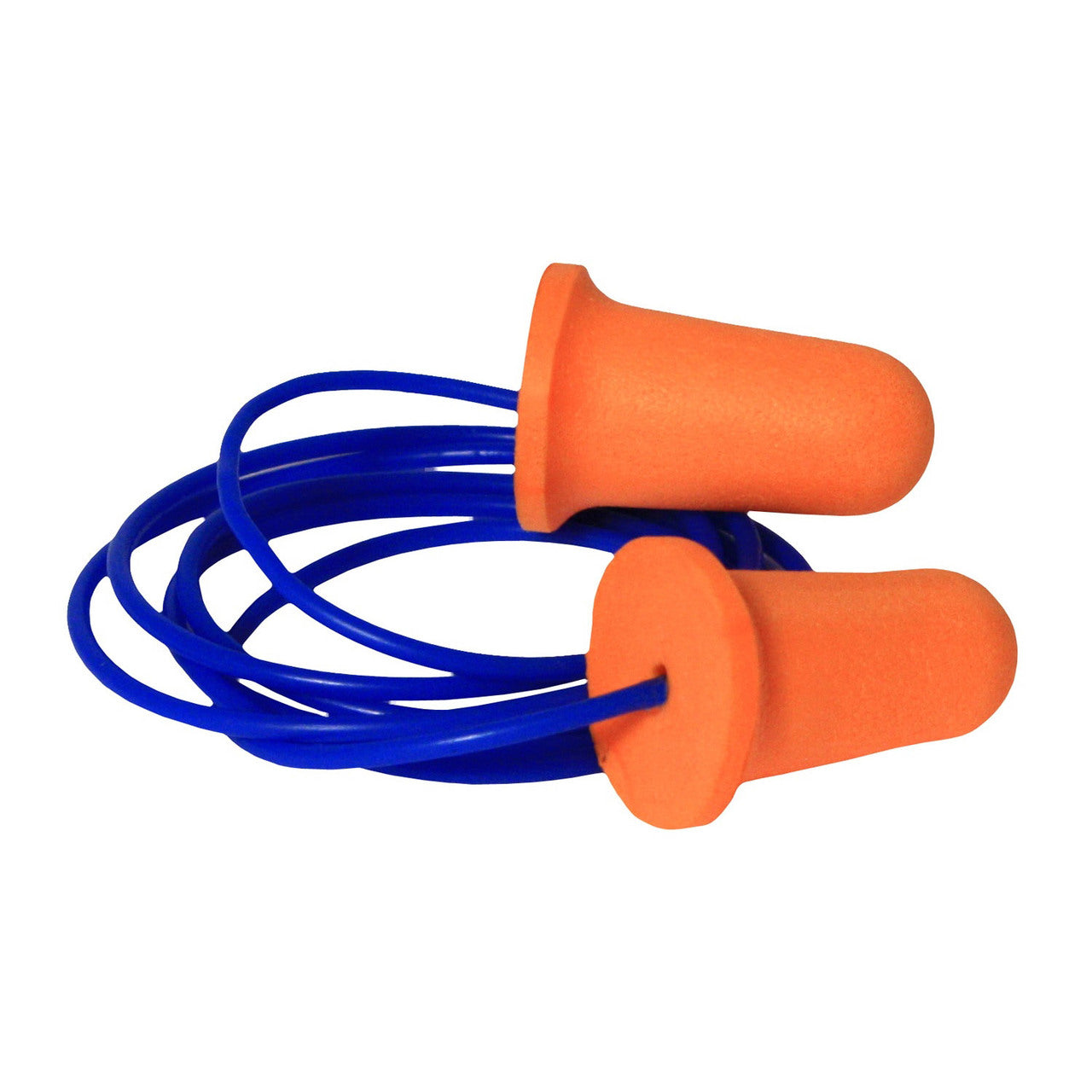
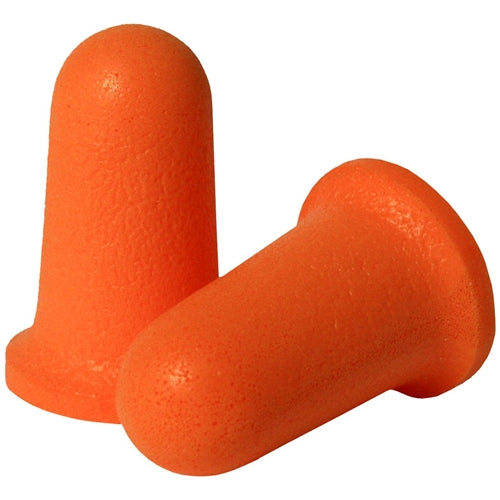
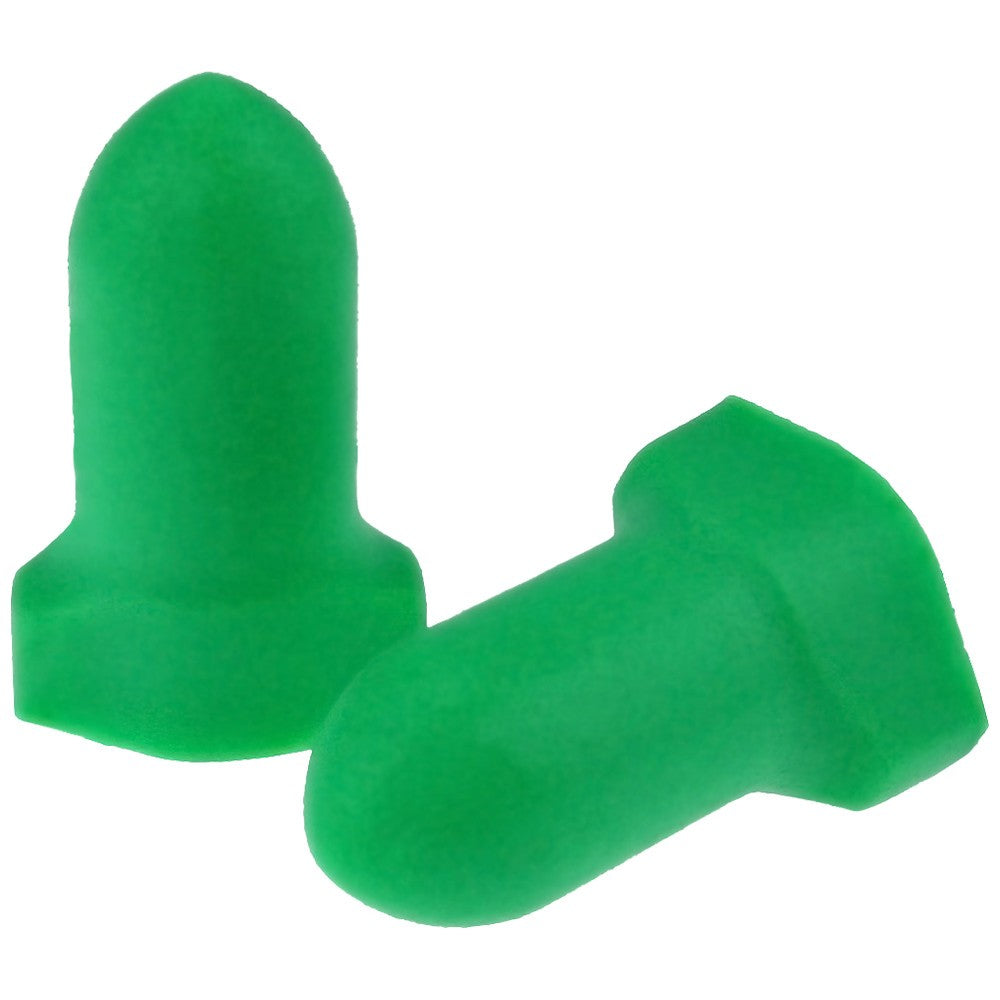
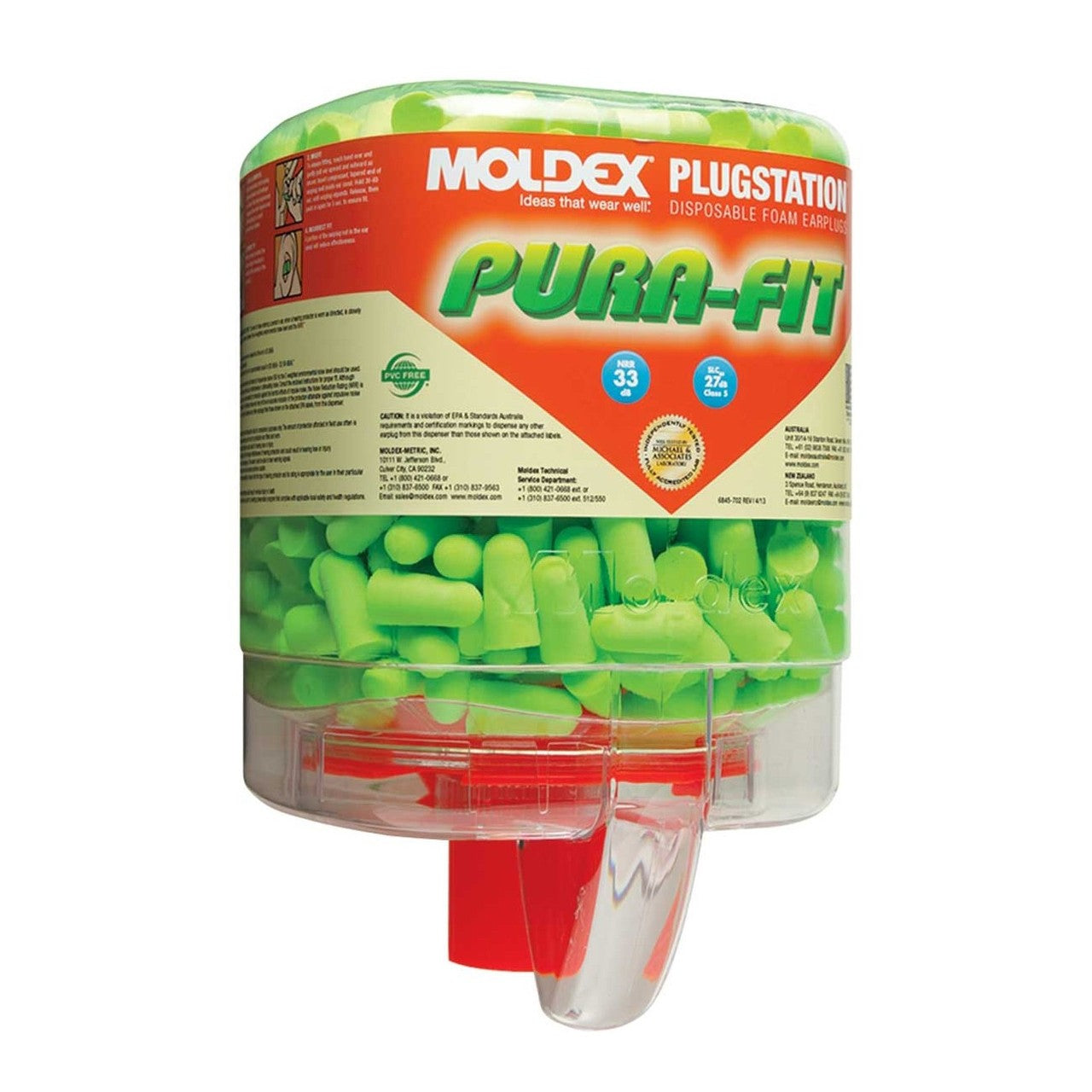
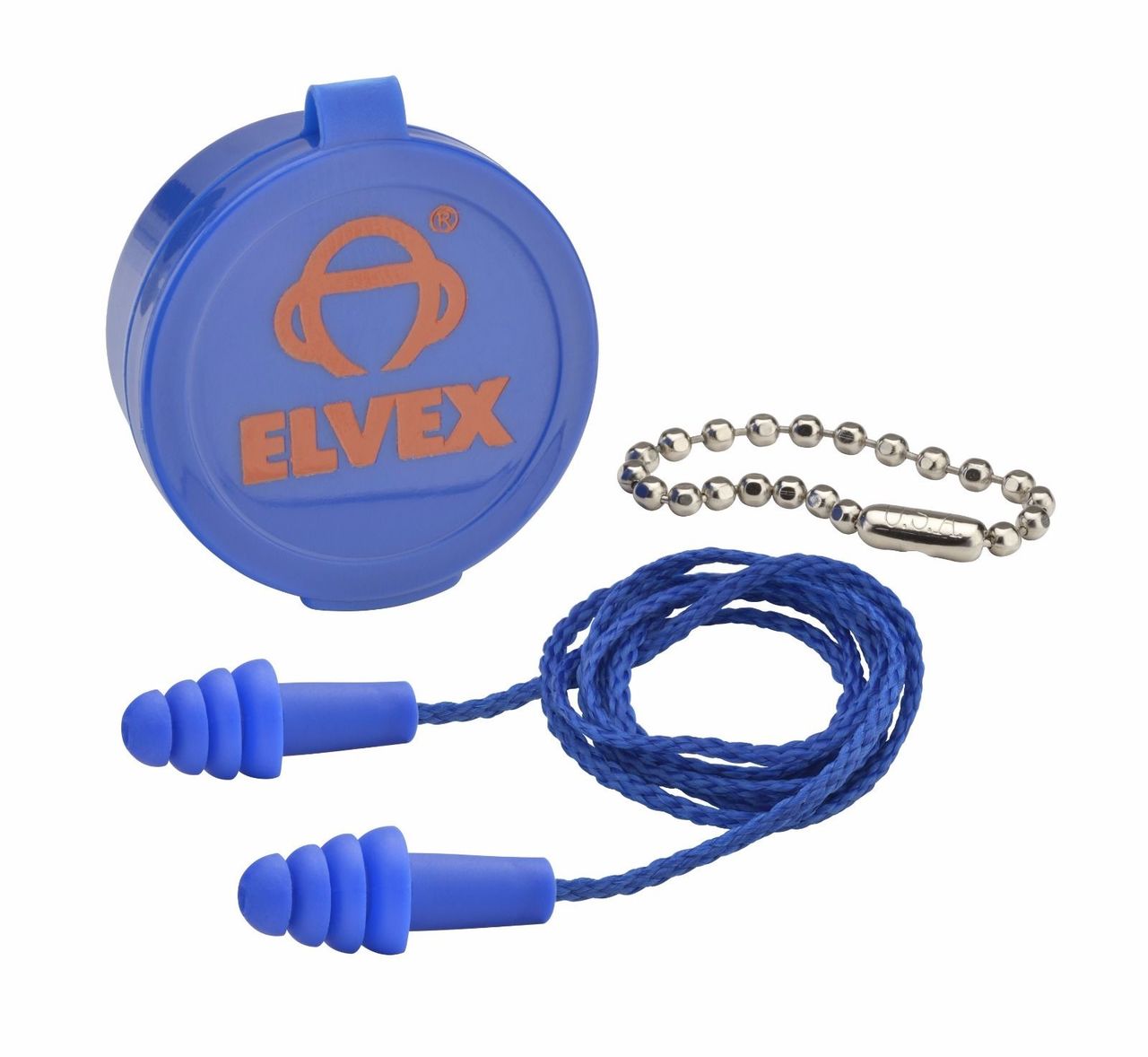
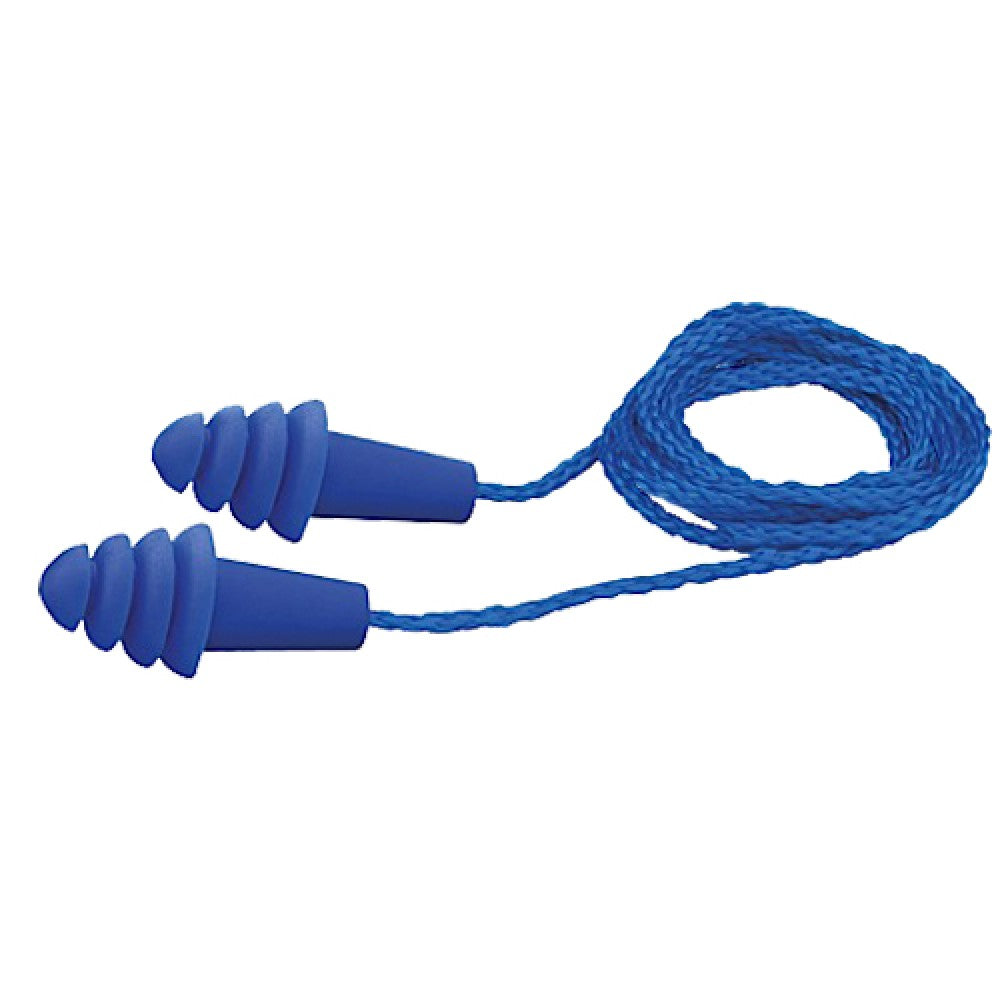
Hearing loss from occupational noise is permanent and preventable. OSHA 1910.95 requires hearing protection at 85 dB TWA or above. Chainsaw operation, skidder work, and processing equipment routinely exceed 100 dB—well above the threshold requiring mandatory hearing protection. For chainsaw-specific hearing protection, our chainsaw helmets include integrated earmuffs. For additional protection or independent use, browse our full ear protection collection and complement with ear plugs for maximum noise reduction when double-protection is warranted.
Earmuff FAQs
What NRR rating do I need for chainsaw operation?
Chainsaws typically generate 100–115 dB. OSHA recommends reducing exposure to 85 dB or below, which requires an NRR of at least 25–30 dB for most saws. Earmuffs rated NRR 25+ or combined use of ear plugs and earmuffs (which adds approximately 5–10 dB additional reduction) are the standard approach for chainsaw operators.
What is the difference between headband and cap-mount earmuffs?
Headband earmuffs are standalone and worn independently. Cap-mount earmuffs attach to a slotted hard hat and fold out of the way when not in use—ideal for workers who alternate between high-noise and moderate-noise tasks. Both styles are available in our earmuffs collection and are compatible with hard hats with accessory slots.
Are electronic earmuffs worth the investment?
Electronic earmuffs amplify low-level sounds like conversation and warning signals while automatically compressing harmful noise spikes above 82 dB. For supervisors, equipment operators, and anyone who needs situational awareness on a noisy job site, electronic earmuffs significantly improve safety and communication without sacrificing hearing protection. Browse electronic options in our earmuffs collection.
Can I use earmuffs and ear plugs together?
Yes. Dual hearing protection—combining earmuffs and ear plugs—is recommended for noise exposures above 105 dB, such as large equipment operation near engines or industrial machinery. The combined NRR is not simply added together; OSHA guidance provides a calculation method for dual protection that your safety manager can apply.