NIOSH-Approved Respirators for Dust, Chemical & Particulate Protection
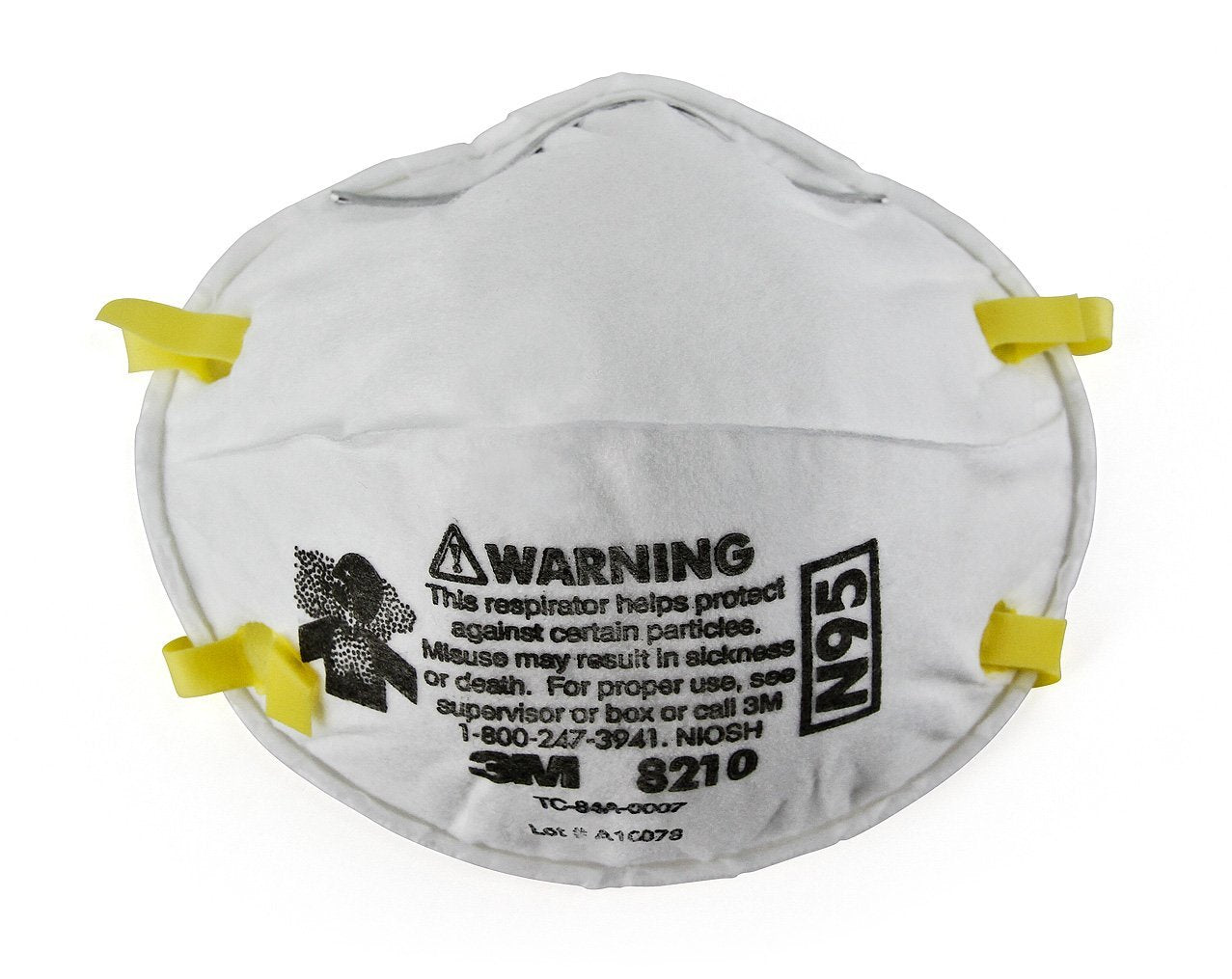
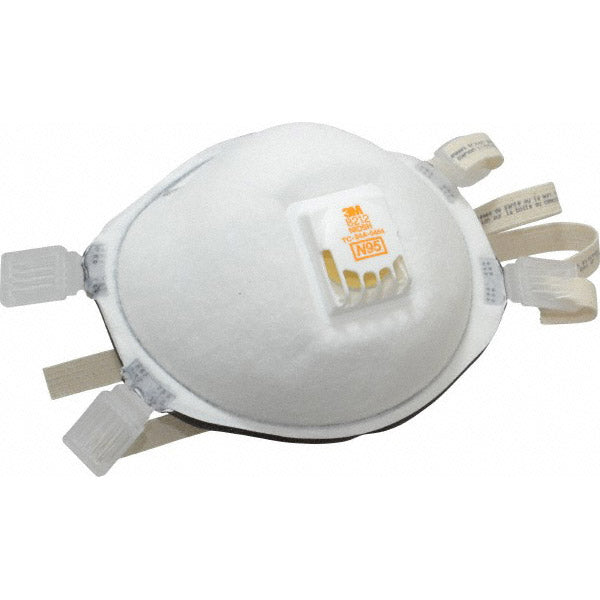
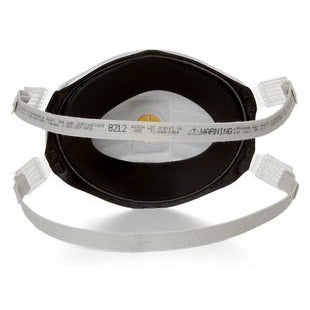
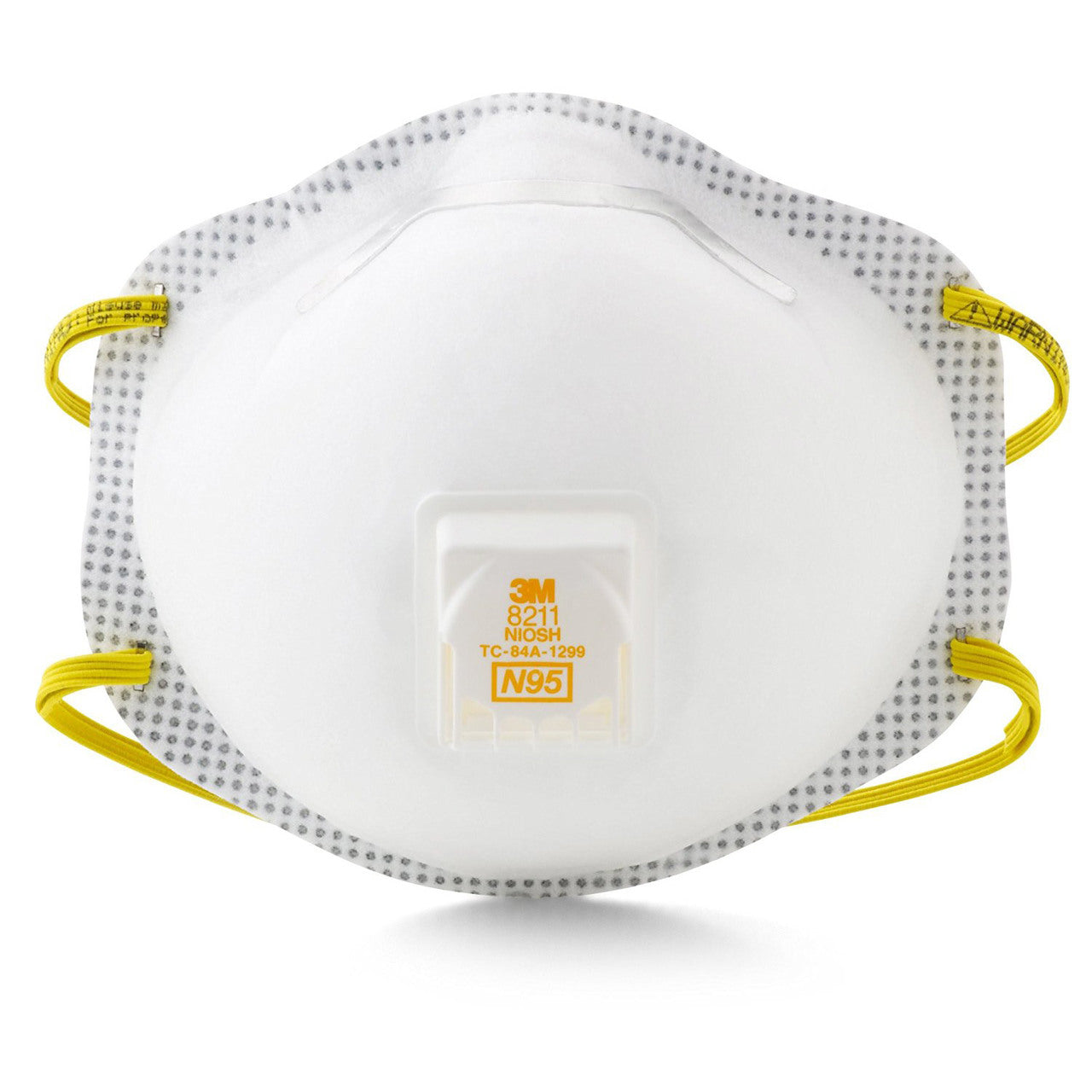
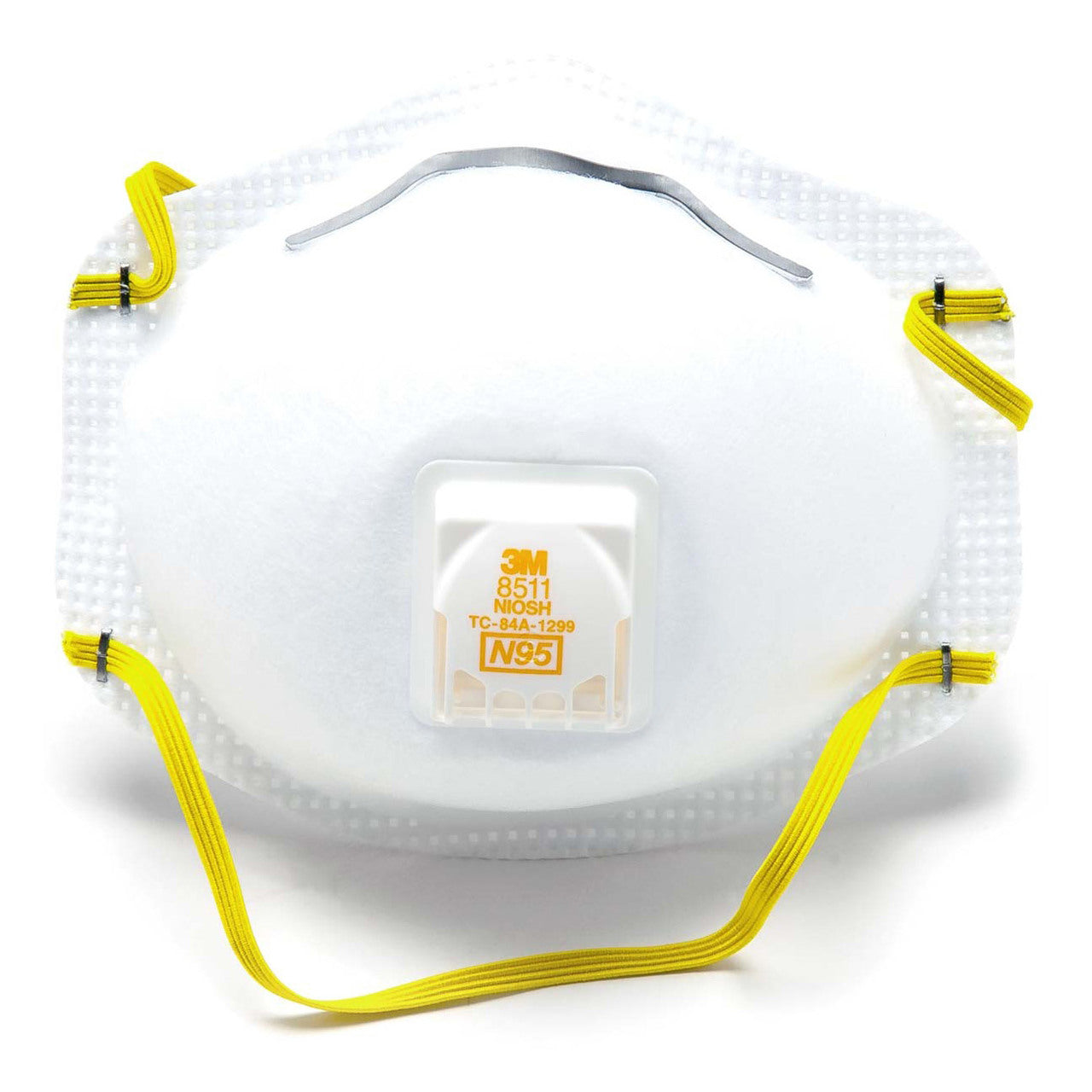
CSP Forestry stocks a comprehensive range of NIOSH-approved respirators for workers in forestry, construction, oil and gas, and industrial environments. Our respiratory protection selection includes disposable N95 and P100 filtering facepiece respirators, half-face and full-face reusable respirators with interchangeable cartridges, and powered air-purifying respirators (PAPRs). Replacement cartridges cover organic vapor, acid gas, particulate, and combination hazards. Brands include 3M, Honeywell North, MSA, and Moldex—all meeting NIOSH certification requirements.
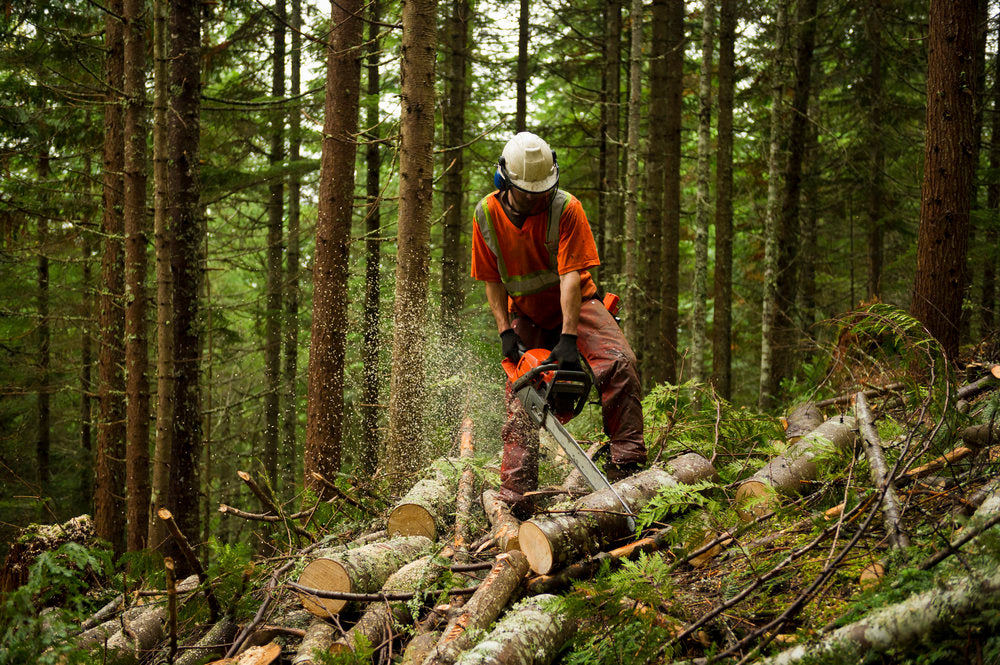
Respiratory hazards in forestry include fine wood dust (a known carcinogen for hardwood species), pesticide/herbicide particulates during chemical application, silica dust from rock and soil disturbance, and smoke during wildland fire operations. OSHA 29 CFR 1910.134 requires a written respiratory protection program when respirators are required for work tasks. Pair respirator use with safety glasses for complete face protection, and ensure workers also have appropriate ear protection and head protection. Browse our full safety and PPE catalog for complete workplace respiratory compliance.
Respirator FAQs
What is the difference between N95 and P100 respirators?
N95 respirators filter at least 95% of airborne particles and are not oil-resistant. P100 respirators filter at least 99.97% of airborne particles and are oil-proof. For general wood dust and particulate protection in forestry, N95 is often sufficient. For finer hazards, oil-based mists, or higher-risk exposures, P100 provides superior protection. Browse all filter ratings in our respirators collection.
Do I need a medical evaluation to wear a respirator at work?
Under OSHA 29 CFR 1910.134, workers required to wear a respirator as part of their job must receive a medical evaluation before use, followed by fit testing for tight-fitting respirators. If you voluntarily wear a disposable filtering facepiece (N95), OSHA requires only that the employer provide Appendix D information about voluntary use.
What respirator should I use for wood dust in forestry?
For general softwood dust, an N95 disposable respirator provides adequate protection for short-duration tasks. For hardwood dust (a Group 1 IARC carcinogen), a P100 half-face respirator with appropriate cartridges is recommended for workers with regular exposure. Browse our respirators collection for both disposable and reusable options.
How often should I replace respirator cartridges?
Cartridge replacement schedules depend on contaminant type, concentration, and usage duration. For organic vapor cartridges, a change-out schedule must be established by the employer using end-of-service-life indicators or OSHA models. Particulate filters should be replaced when breathing resistance increases noticeably. Find replacement cartridges in our respirators collection.